
Community Festivities from Campo Maior are now Intangible Cultural Heritage of Humanity
Fado, "Cante Alentejano", Bisalhães China, Alcáçovas Cowbells, Estremoz Clay Figures and "Caretos de Podence" are Cultural Heritage of Humanity
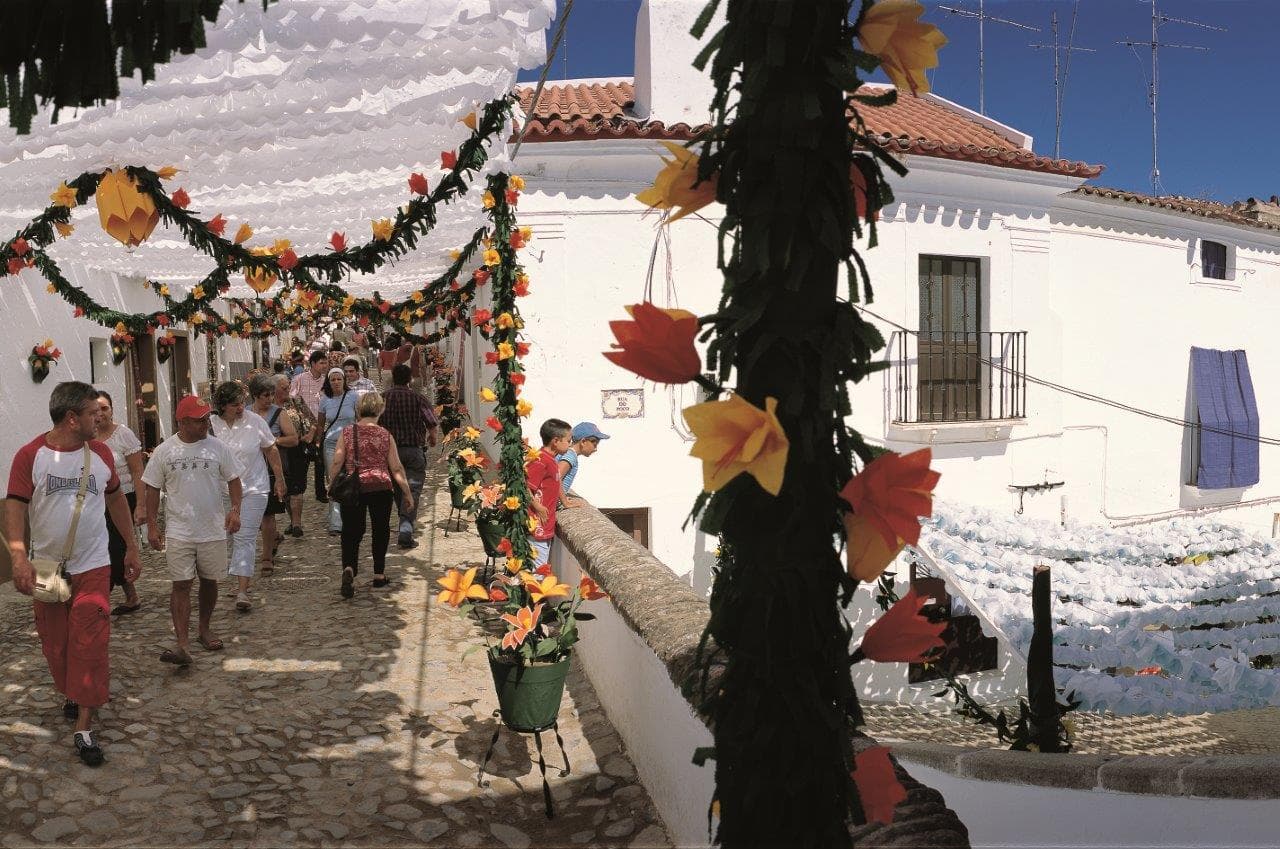
Community Festivities, Campo Maior (photo: João Bica)
Community Festivities, Campo Maior (photo: João Bica)

The Minister of Culture, Graça Fonseca, stated her pleasure with the Campo Maior Community Festivities being part of the UNESCO Intangible Cultural Heritage of Humanity.
This statement notes that all Portuguese people, especially the ones from the Altentejo region, are once again to be congratulated for knowing how to keep alive one of the richest Portuguese cultural traditions, the so-called Community Festivities of Campo Maior.
This prestigious recognition was only possible due to the Campo Maior Community Festivities Association, which drafted its application jointly with the Campo Maior municipality and the Alentejo Regional Tourism Body, counting on the support of the Alentejo Regional Cultural Directorate.
These festivities, as a popular manifestation of a living community, have a special contribution by the women in Campo Maior who, every year, work continuously on paper flowers, handing this know-how down to the younger generations which has kept a tradition that all Portuguese associate themselves with alive
The festivities, which happen "when the people want them to", don’t just decorate the Campo Maior historical centre with millions of bright paper flowers, they also open the village up to all the Portuguese people.
This listing, which greatly honours the entire country, culturally acknowledges the Alentejo region and projects Portuguese culture, contributing in a significant manner to safeguarding and enhancing this heritage that is common to all of us.
The Campo Maior Community Festities have been down for Intangible Cultural Heritage since 2018 and, in 2019, the expert committee had already highlighted the Portuguese application as an example of how a small community took charge of its intangible cultural heritage, in an approach that notes the reflections of social and economic change in the current cultural manifestations.
The festivities are now on this important UNESCO, which already includes Fado, the "Cante Alentejano" polyphonic singing, Bisalhães China, Alcáçovas Cowbells, Estremoz Clay figures and the Carnival "Caretos de Podence", concluded the statement.