
Expansion of the Sines Petrochemical Complex with 760 million euros in foreign direct investment
Minister of Foreign Affairs notes intensive investment in capital and technology
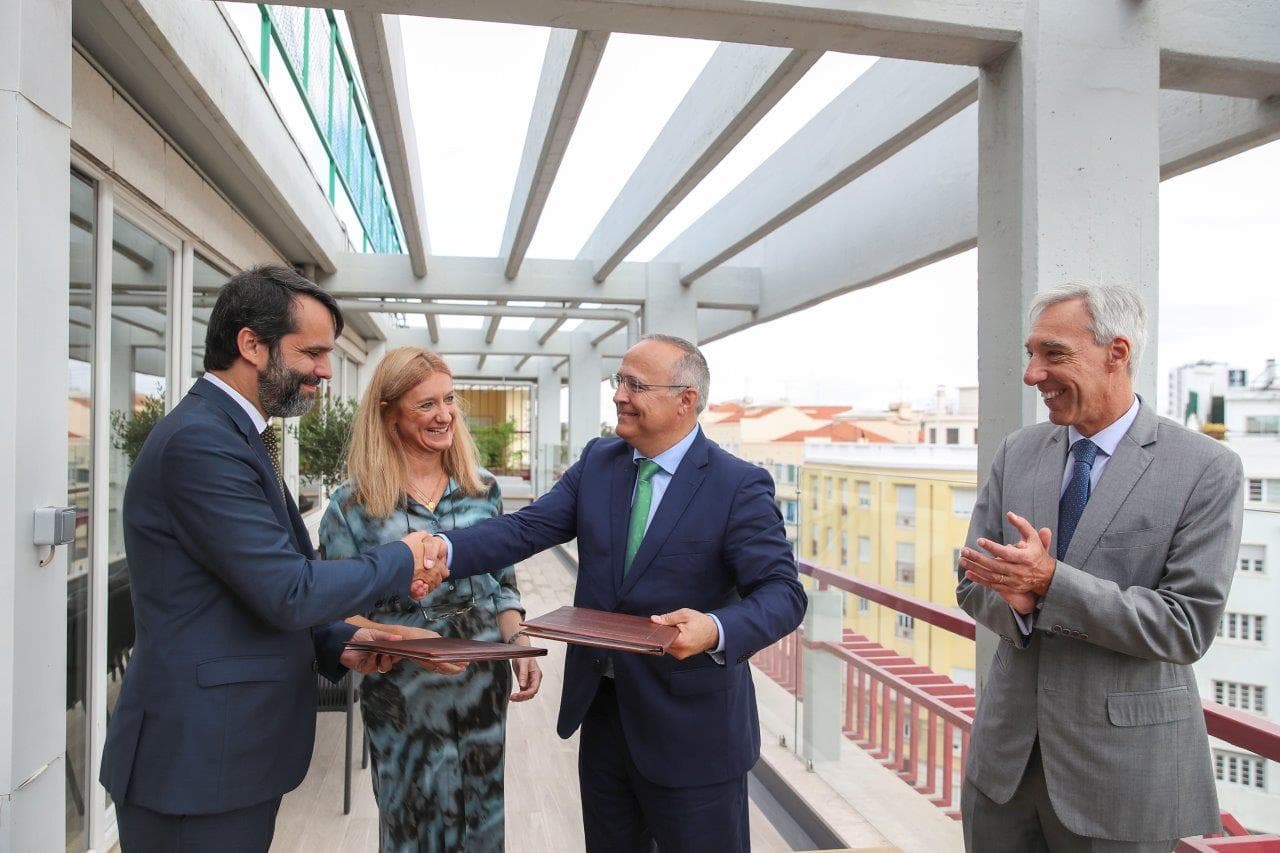
Minister of Foreign Affairs, João Gomes Cravinho, at the signature of the Repsol Petrochemical Complex expansion, Lisbon, 18 July 2022 (photo: António Cotrim/Lusa)
Minister of Foreign Affairs, João Gomes Cravinho, at the signature of the Repsol Petrochemical Complex expansion, Lisbon, 18 July 2022 (photo: António Cotrim/Lusa)

The Portuguese Minister of Foreign Affairs, João Gomes Cravinho, presided
over the signature of the contract to expand the Repsol Petrochemical Complex
in Sines, claiming this is an overall investment of 760 million euros.
"We are talking about an investment the consequence of which is a rise in
exports of around 400 million euros, a decrease in exports of also 400 million
euros and value added of around 200 million euros", said the Minister at the
end of the ceremony, held in Lisbon.
Gomes Cravinho noted that the documents signed are "simple agreements on
land", which represent "an investment in state-of-the-art technology for processing
plastics".
"We have here intensive capital and technology investments, with huge output
and added value, which will create hundreds of jobs. In addition to the great
multiplying effect felt in the creation of wealth, production, and jobs in
industry from the North to the South", the MFA highlighted.
The project will build two plants that will use ethylene and propylene
produced, and which are normally exported. The two plants will transform
ethylene into high density polyethylene (used in piping, plastic packaging for toiletries
or food products or cling film) or into low density polyethylene (used in foams,
electric cables).
With this reuse, the company expects to up its production to up to 850 000
tonnes per annum, of which 310 000 tonnes will be exported through the port of
Sines, 220 000 tonnes to Spain and 220 000 tonnes for the rest of Europe. 100
000 tonnes are to be used in Portugal.
Portugal will therefore have plants to make two products that are currently
imported. Polypropylene and high-density polyethylene represent 67% of demand
for polyolefins in Portugal.
Repsol forecasts that the national demand for these products will be met by
building these two plants. The imports of these materials represent a 400-million-euro
deficit for the Portuguese trade balance. Their exports will be a
400-million-euro surplus.
The project to expand the Repsol Petrochemical Complex in Sines is to kick off in the first quarter of next year and will be concluded in 2025.